
Window Condensation: Why It Forms and What to Do (York Homeowner's Guide)
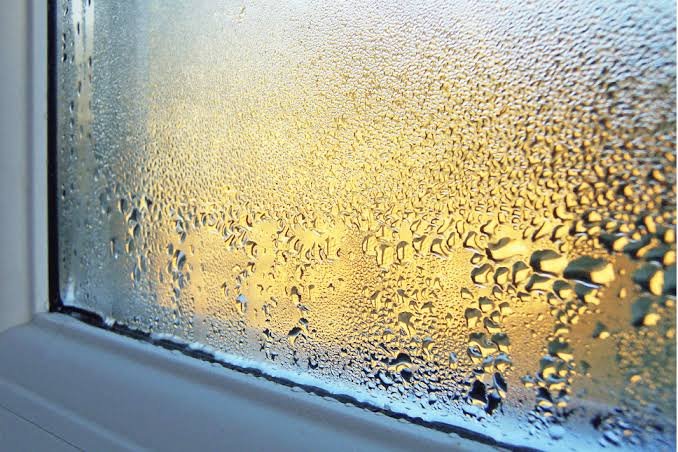
Window Condensation: Why It Forms and What to Do
The short answer: condensation forms when warm, moist air inside your home touches a surface colder than its dew point, usually the glass. Condensation on the inside of your windows is almost always a humidity and ventilation issue. Condensation on the outside is a sign your glazing is working well. Condensation between the two panes means the seal has failed and the glass unit needs replacing.
If you live in York, you'll know the moment the heating goes on in October. You draw the curtains in the morning and the bottom of every window is running wet.
We've been fitting windows across York and North Yorkshire since 1997, and condensation is one of the questions we're asked most each autumn. This guide explains what's causing yours, what you can do about it today, and how to tell when it's actually a sign your windows need attention.
Why does condensation form on windows?
Warm air holds more water vapour than cold air. When that warm air meets a cold surface, it cools down, can no longer hold all its moisture, and the excess turns into droplets. The temperature at which this happens is called the dew point.
Here's what that looks like in a normal home. If a room is at 20°C with 65% relative humidity, the dew point is around 13°C. On a frosty York morning, the inside surface of an older or single-glazed window can easily drop below that, so water forms on the glass.
Three things decide whether it happens in your home:
How much moisture is in the air. Cooking, showers, kettles, drying clothes indoors and even breathing overnight all add water vapour. A bedroom with two people and the door shut can build up a lot by morning.
How cold the glass is. The less insulated the window, the colder its inner surface, and the more readily it reaches the dew point.
How well the room is ventilated. If damp air has nowhere to go, humidity keeps climbing until the coldest surfaces start to run with water.
For a healthy home, indoor humidity should sit between 40% and 60%. In many UK homes in winter it runs well above that, which is why condensation peaks from October to March.
Inside, outside or between the panes: what each type means
Where the water sits tells you almost everything. Wipe the glass with a dry cloth from the inside. If it clears, check the outside. If it won't clear from either side, the moisture is trapped between the panes.
Condensation on the inside of windows
This is the most common type, and the one most people are searching about. It's caused by humidity, not by the window itself, though older and single-glazed windows make it much worse because their inner surface is so cold.
Left alone, it soaks into sills, seals and plaster. Black mould around window reveals is usually the result of months of daily condensation.
Condensation on the outside of windows
This surprises a lot of people after new windows go in. Modern double glazing with low-emissivity (Low-E) coatings stops heat escaping, so the outer pane stays close to the outside temperature. On a cool, still, damp morning, dew forms on it just like it does on a car windscreen.
It's harmless and it's actually good news: your heat is staying in your house.
Condensation between the panes (misted double glazing)
A double glazed unit is two panes of glass with a sealed, gas-filled gap. When the edge seal fails, moist air gets in and fogs the glass from the inside, where you can't wipe it.
This is the one type you can't fix with ventilation. The unit has lost its insulating gas, so it's letting more heat out as well as spoiling the view.
How to stop condensation on the inside of your windows
You can cut most internal condensation without spending a penny on new windows. Work through these in order.
Open your trickle vents and leave them open. Those small slotted vents at the top of the frame are there to let damp air out. Many people close them in winter to stop draughts, which is exactly when they're needed most.
Use extractor fans every time. Run the bathroom fan during and for 15 to 20 minutes after a shower, and use the cooker hood whenever you cook. Keep lids on pans.
Air the bedroom each morning. Open the window for 10 to 15 minutes after you get up. Overnight breathing is a big source of moisture in a closed room.
Dry clothes outside or in a tumble dryer. A rack of wet washing on a radiator releases a lot of water into the room. If you have to dry indoors, do it in one room with the door shut and a window cracked.
Keep the heating low and steady. A home that's heated consistently has warmer surfaces than one that swings between cold and hot, so it reaches the dew point less often.
Let air reach the glass. Heavy curtains, blinds pulled down tight and furniture against the window trap cold air against the glass. Leave a gap at night.
Wipe it away each morning. Use a cloth or a window vacuum and empty it down the sink. This stops water soaking into sills and seals.
Measure your humidity. A digital hygrometer costs under £15. Aim for 40% to 60%. If you're consistently above that, a dehumidifier in the worst room makes a fast difference.
If you've done all of this and the windows still stream every morning, the glass itself is likely too cold. That's the point where upgrading the glazing becomes the real fix.
When condensation means your windows need replacing
Condensation on its own isn't a reason to buy new windows. But it's worth getting them looked at if you notice any of these:
Fog or droplets between the panes that won't wipe away from either side.
Heavy condensation that persists even after you've sorted ventilation and humidity.
Single glazing or early double glazing, typically fitted before the mid-2000s, without Low-E glass.
Black mould, rotting timber or swollen sills around the frame.
Draughts, stiff handles or gaps where the frame meets the wall. A tired frame often comes with tired glass.
Several misted units at once. Seals of the same age tend to fail together.
Glass unit or whole window?
If the frame is sound and only one or two units have misted, replacing just the sealed glass unit is often enough. As a guide, UK prices for a standard replacement unit supplied and fitted typically run from around £60 for a small window to £200 or more for a large or toughened one.
If several units have failed, the frames are old, or you have other problems like draughts, the cost of repeated repairs starts to approach the price of new windows. At that point, replacement windows usually make more sense and come with a fresh guarantee.
What new double glazing changes
Modern A-rated double glazing uses Low-E coated glass, an insulating gas fill and warm-edge spacers. Together these keep the inner pane much closer to room temperature, so it rarely reaches the dew point.
Since June 2022, Building Regulations in England (Approved Document F) mean replacement windows often need trickle vents, so new windows help with ventilation too. A FENSA-registered installer handles that compliance for you and registers the work with your local authority.
Window condensation FAQs
Is condensation on windows normal?
A small amount on cold mornings is normal, especially in bedrooms and bathrooms. Heavy condensation every day, or water pooling on sills, means indoor humidity is too high or the glass is too cold.
Why are my windows wet on the inside every morning?
Overnight, people breathe moisture into a closed room while the glass cools. By morning the air is humid and the glass is below its dew point, so water forms. Open trickle vents and air the room after you get up.
Is condensation on the outside of windows bad?
No. It means your double glazing is keeping heat inside, so the outer pane stays cold enough for dew to form. It's most common on cool, calm mornings and clears as the day warms up.
Can misted double glazing be fixed?
Yes. If the frame is in good condition, the failed sealed unit can be replaced on its own, usually costing around £60 to £200 per unit depending on size and glass type. Defogging treatments exist but tend to be short-lived.
Does condensation cause mould?
Yes. Condensation is one of the most common causes of mould in UK homes. Water left on glass and sills day after day creates the damp conditions mould needs.
What humidity level stops condensation?
Keeping indoor humidity between 40% and 60% greatly reduces condensation. A cheap digital hygrometer will tell you where your home sits.
Do new windows stop condensation?
Modern double glazing makes condensation far less likely because the inner pane stays warmer. It won't stop it completely if a room is very humid, so good ventilation still matters.
Should I close trickle vents in winter?
No. Winter is when you need them most. Closed vents trap moist air inside, which is a leading cause of condensation and mould.
Not sure what's causing yours?
If your windows are misting between the panes, or streaming every morning despite good ventilation, we're happy to take a look. We'll tell you honestly whether it's a humidity issue you can fix yourself or a sign the glazing has had its day.
Square Deals is a family-run, FENSA-registered and Which? Trusted Trader glazing company. We've been fitting windows and doors across York and North Yorkshire since 1997, with our own in-house fitting teams. You can read our customer reviews or call 0800 731 5435 for a free, no-obligation quote.
Square Deals Ltd · 39 Boroughbridge Road, York YO26 5SQ · 0800 731 5435